Two validation consultants can have nearly identical resumes. One has kept CSV documents current at a stable site. The other ran IQ/OQ/PQ on an SAP S/4HANA upgrade while FDA was watching the site closely. The second one has made decisions with real consequences, and that is what you are hiring for. This guide is about how to tell them apart in an interview.
Most companies look for validation help because something has gone wrong or is about to. An ERP implementation is drawing regulatory attention. A Form 483 came in with data integrity observations. A legacy system turns out to have almost no validation records.
In each case you need more than someone who knows validation. You need someone who has made the hard calls before, in a situation like yours.
Resumes do not show that. Interviews can, if you ask the right questions. Below are the three situations we see most often, what to listen for in each, and a checklist you can use when you screen candidates or consulting firms.

Why Resumes Do not Show It
Almost every validation professional can talk about GAMP 5 and Part 11. The frameworks are well documented. What is harder to learn is what to do when the framework, the schedule, and the budget point in different directions.
You find that out by asking about specific decisions:
- Have you handled a deviation or investigation that later became an FDA observation?
- Have you found a gap in a system's historical documentation and had to decide whether to remediate it before an inspection or write a justification instead?
- Have you set scope and criticality for a legacy system migration when the regulatory exposure was high and the deadline was tight?
- Have you had to work out how much of GAMP 5's ideal approach a CDMO could realistically apply to an underdocumented process that had already shipped product?
People who have done these things answer quickly and in detail. People who have not tend to tell you what the guidance says.
Three Situations and What to Listen For
1. Validating an ERP or Other System Under Regulatory Attention
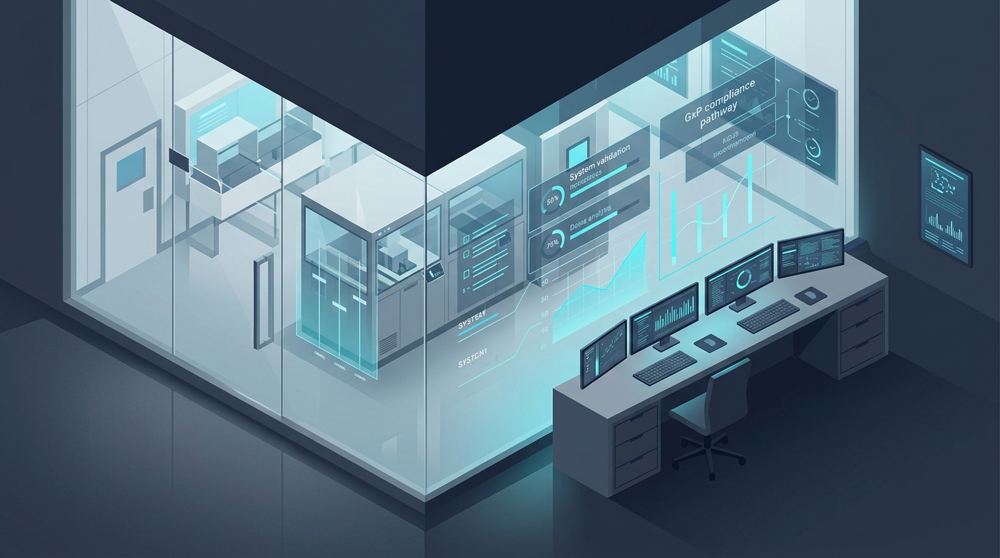
You are implementing or upgrading a critical GxP system. Maybe it is SAP, Oracle, or something built in-house. An inspection could come before the migration or shortly after.
What you need: Someone who has validated a system like this before, in a regulated plant, on a real deadline. They will know how much testing is enough and how to defend that choice.
What to listen for:
- Have they validated a major system implementation in a GxP environment? Do they understand data integrity controls, interfaces, and data migration?
- Can they explain why a particular amount of documentation and testing was sufficient? Anyone can argue for more. The skill is knowing where to stop.
- Have they validated a system with years of existing data? How did they handle that data when the old validation records were incomplete?
- Have they actually decided what was critical on a live system? Knowing how to do a GAMP 5 criticality assessment is different from having signed one that mattered.
- Do they understand access controls, electronic signatures, and audit trails well enough to apply them to your intended use?
What to ask: Walk me through your most recent ERP or system implementation. What systems were involved, and what regulations applied? What was the biggest risk? How did you decide what to test and what to justify on risk? Was there a point where you thought you might miss the deadline? What did you do?
Good answers are specific. They name systems, dates, and decisions.
2. Responding to a Form 483

You have received observations about data integrity, validation scope, or quality system documentation. You need a response FDA will find credible, and the fixes have to be in place before the next inspection.
What you need: Someone who has been through an FDA inspection, ideally on the inspected company's team, and has helped write a response.
About the 15 days: FDA's current guidance asks firms that choose to respond to do so within 15 business days. A response is not required. If some observations cannot be fully fixed in that time, FDA recommends including a CAPA plan with a timeline.
What to listen for:
- Have they been in the room during an FDA inspection as part of the company's team? Have they seen how an investigator reacts to an explanation?
- Can they tell the difference between a regulation, an FDA guidance document, an industry framework, and a company's own procedure? Do they know how much weight each one carries?
- Have they written a Form 483 response or other formal correspondence with FDA? Can they explain what makes one credible?
- Can they look at your situation and predict what FDA is likely to focus on in your sector?
What to ask: Tell me about the most significant FDA inspection you have been part of. What was the observation? How did the company respond? Why did FDA accept the response? Would you do anything differently now?
Listen for specifics, and for some humility. People who have been through this know what they do not know.
3. Remediating Legacy Systems

You have systems in use with incomplete validation records. You know there is a gap. Now you have to decide which systems to fix, in what order, and how much work each one needs.
What you need: Someone who can tell real compliance risk from busywork, and who can scope the remediation so it holds up without doing more than necessary.
What to listen for:
- Have they remediated legacy systems before? Have they had to decide what documentation a system actually needs?
- Do they understand the difference between ideal documentation, meaning full validation from day one, and enough evidence to show the system is under control and fit for its intended use? Can they explain how they decide what is enough?
- Can they design testing that shows an old system still works reliably when the original validation evidence is missing?
- Can they help you decide which systems to fix first, based on what each one does, how critical its data is, and how exposed you are?
What to ask: Walk me through a remediation where you had to decide how much documentation a legacy system needed. How did you define its intended use? How did you judge its criticality? What testing did you do? How did you know the approach would hold up?
You want to hear about choices they made, and why they made them.
A Screening Checklist
Use this when you are evaluating a consultant or an interim hire. Not every item will apply. Pick the ones that matter for your situation and spend your interview time there.
Consulting or Interim Staffing
We work with clients in two ways. Which one fits depends on whether you need someone to run the work or more people to do it.
Consulting: When You Need the Project Run
You have people, but nobody who has run this kind of project before. We bring in a consultant or a team, agree on scope and milestones with you, and manage the work against them.
This fits:
- Validation programs at a site that is under regulatory attention
- CSV remediation after inspection findings or audit observations
- Inspection readiness and Form 483 responses
- ERP or system migrations that need experienced oversight
- Building a capability your team does not have yet
You still manage your own team. We supply the experience and the project structure.
Interim Staffing: When You Need More People
You have the plan and the managers. You need more experienced hands for a while. A CSV specialist for six months of legacy remediation, for example, or a validation PM for an ERP migration. They work inside your team and follow your procedures.
This fits:
- Work with a defined end date or scope
- Covering a role while you recruit someone permanent
- Adding a specific skill for one project
- Teams that already have managers to direct the work
Before anyone starts, we have talked with them in detail about the regulated work they have done. They are used to getting up to speed quickly.
Putting It to Use
Before your next interview, use the checklist to plan your questions. Ask about decisions more than credentials. The best candidates will tell you what the situation was, how they judged the risk, and why they chose the approach they did.
If someone can do that for a situation like yours, there is a good chance they have been in it before.
Need Help Building Your Team?
Most clients call us when the work needs someone who has done it before. That might be a validation program under FDA attention, a Form 483 response, or a legacy system remediation.
We can run the project, or we can add experienced consultants to your team. Either way, we will have talked with them about exactly the kind of work you need done.
Bring us your compliance challenge.
Discuss Your Need